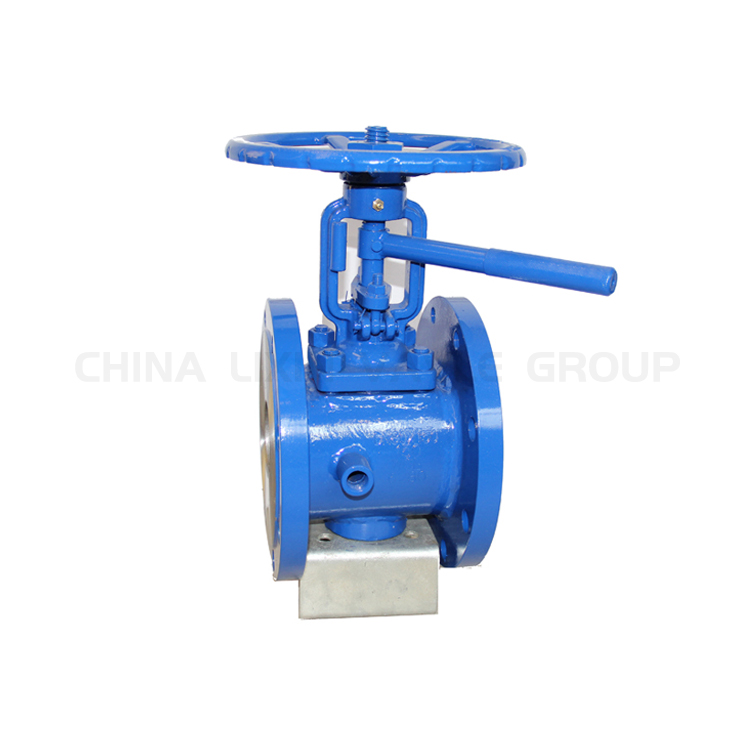
Technical Specifications:
| Size Range NPS1/2"-24" / DN15-600mm | Main Material Carbon steel,Stainless Steel,Aluminum Bronze,Duplex steel etc. (Other materials are available under request.) |
| Temperature Rating -29 ~ +550°C | Stem material Stainless steel |
| Pressure Rating I.0Mpa ~ 42.0Mpa 150LB ~ 2500LB | leakage level Metal Seat: Class D~E |
| Plug Material Carbon Steel,Stainless steel,Duplex steel etc. | Flange Drilling ASME B16.5,EN1092,GOST 33259,BS etc. |
| Seat Material Metal Seat:Same to Body,STL etc. | Port Type Reduce Port |
| Design Standard API599,API 6D,ASME B16.34 | Test Standard API 598,EN12266-1,ISO 5208 |
| Face to Face API 16.10,EN558-1 | Operation Lever, Worm Gear |
| Application pipes with special purposes such as high temperature, high pressure, wear resistance and scouring resistance, especially for pipes with granular media, such as electric power, metallurgy, petrochemical and paper industries. |
| Other The carefully selected materials and contemporary design make our plug valve highly recognized. If our Plug Valve cannot meet your choice, we can provide you with special made. |
Chief Features:
The valve has reasonable structure, reliable sealing, excellent performance and beautiful appearance.
The opening and closing process of the valve is carried out when the sealing surface is separated, which will not cause wear on the sealing surface
Bi-directional flow, more convenient for installation and use
FAQs
1. How does the sealant cavity actually reduce wear compared to a standard plug valve?
A renewable sealant is injected into the cavity and forced toward the plug-body interface through radial holes, creating a fresh seal layer and lubricating film each time it's applied — this means the sealing surface isn't relying purely on metal-to-metal contact wearing in over time, which extends service life under repeated cycling.
2. What does "lifting" mean in this plug valve's design, and why does it matter?
Before rotating, the plug lifts slightly off the seat, separating the sealing surfaces during the turning motion — this is what prevents the scraping wear that a standard rotating plug valve experiences every time it opens or closes. You can read our guide of plug valve types.
3. Why does this valve use a jacketed body, and when is that actually necessary?
A jacketed body allows a heating or cooling medium to circulate around the valve, which keeps viscous, crystallizing, or temperature-sensitive media flowing smoothly through the valve rather than solidifying or thickening at the plug — this matters for granular, sticky, or wax-like process media more than for typical clean liquids.
4. Does the reduced port design significantly restrict flow compared to a full-port valve?
Yes, to some degree — a reduced port trades some flow capacity for a more compact, often more cost-effective valve body, which is a reasonable tradeoff in applications where throttling or moderate flow restriction is already acceptable rather than requiring unobstructed full-bore flow.
5. Can this valve be automated, or is manual operation the only option?
The standard configuration ships with lever or worm gear operation for manual use, though the same plug/seat design can typically accept a pneumatic or electric actuator where remote or automated operation is required — worth confirming actuator compatibility with the factory for your specific size and pressure class.


 Request a Quote